EVP / ITC Experimentation · 05

Water & Steam ITC

Experimental visual ITC approaches that require careful lighting, environment notes, baseline capture, and modest conclusions.

EVP / ITC Experimentation Hub
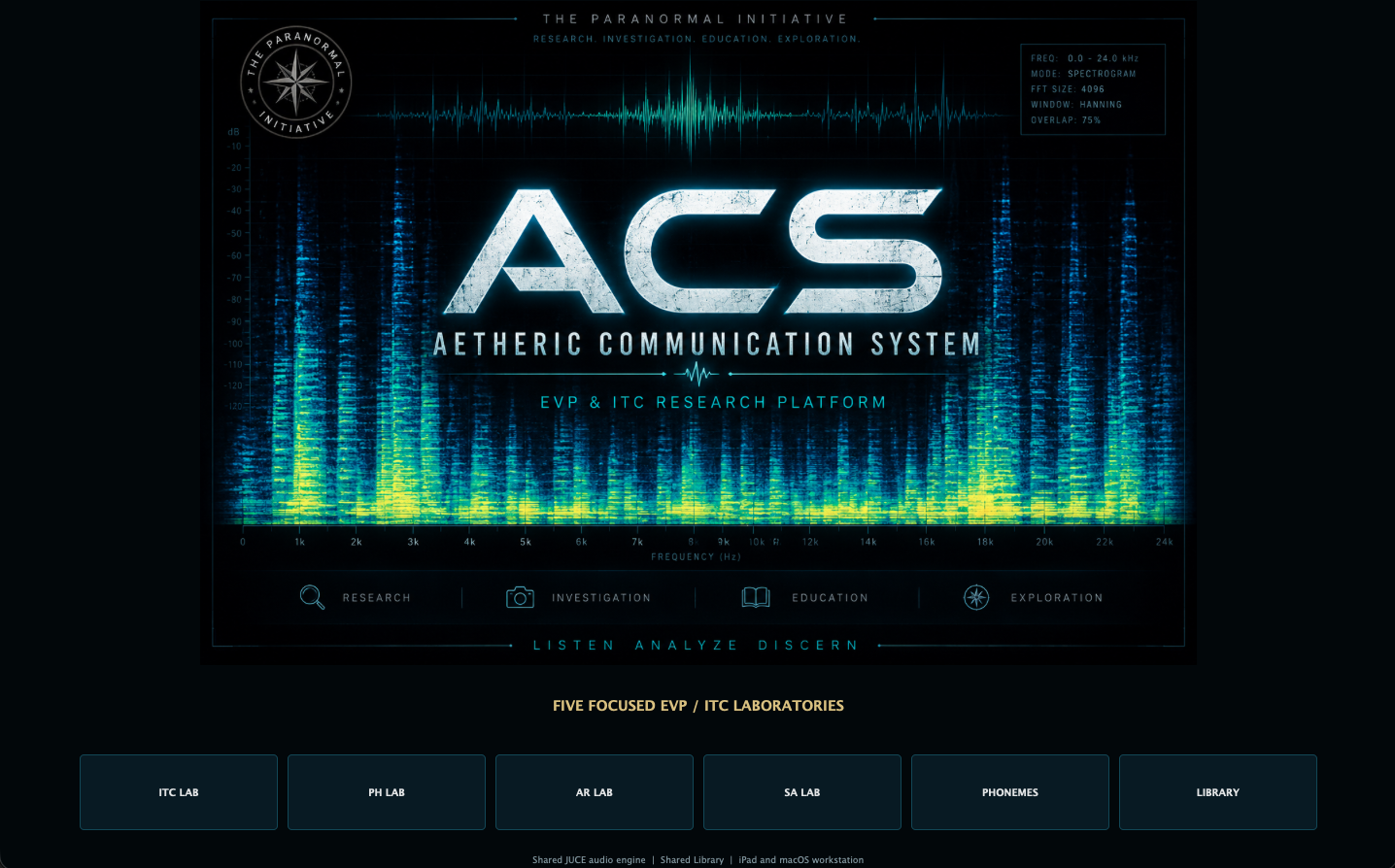
ACS home screen for ITC and EVP experimentation
Water and steam ITC sit beside the larger research ecosystem: they are visual experiments requiring baseline capture and careful language.
Control the lightReflections, glare, shadows, camera angle, and compression can create strong false patterns.
Capture baselinesRecord ordinary water movement or steam behavior before asking questions or changing conditions.
Use careful labelsPattern candidate, visual anomaly, unresolved frame, explainable reflection, or inconclusive result are better than proof language.

Lesson Reading

Why Visual ITC Is Difficult

Water, steam, smoke, mirrors, and reflective surfaces are naturally pattern-rich. They can produce faces, figures, letters, and forms through light, motion, and expectation. This makes them interesting for research and easy to overstate.

A Better Visual Session

Use a fixed camera when possible. Record lighting, surface, container, background, distance, frame rate, and environmental changes. Keep unedited video and still frames. Compare candidates against baseline footage and adjacent frames.

Connection To The Site

The Water ITC and Steam ITC pages can become focused experiment guides later. For now, this lesson sets the standard: visual ITC is experimental, not guaranteed communication, and every result needs context.

Contamination & Controls Back to EVP / ITC Experimentation Review Language