EVP / ITC Experimentation · 02

ITC Basics

Instrumental Transcommunication as experimental work across audio, visual, reflective, vapor, and device-based methods.

EVP / ITC Experimentation Hub
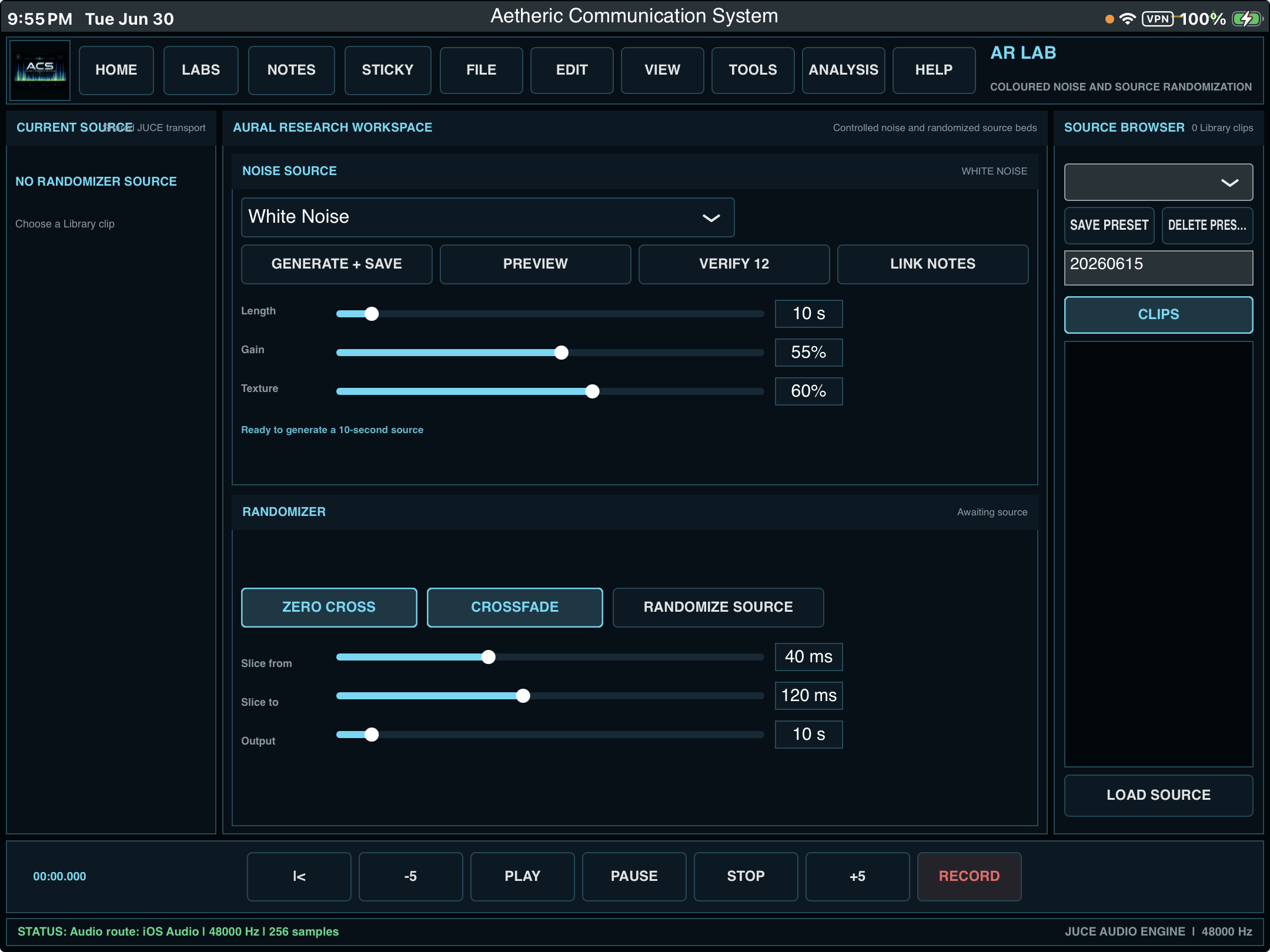
ACS AR Lab noise and randomization workspace
AR Lab represents the experimental substrate idea: controlled noise, randomization, and recorded conditions rather than unsupported certainty.
Define the mediumAudio, video, water, steam, reflective, radio, and software-based work each need their own controls.
Document the setupLighting, angle, device state, room noise, operator position, and session timing matter.
Hold uncertaintyITC can be meaningful as research without claiming guaranteed contact or proof.

Lesson Reading

What ITC Covers

Instrumental Transcommunication is a broad experimental category involving attempts to obtain anomalous information or structure through instruments. This may involve audio, radio, video, reflective surfaces, water, vapor, image fields, or software-generated material.

Why Controls Matter

ITC often works with ambiguous fields: noise, reflection, movement, vapor, light, and pattern. Those fields can create strong impressions even when nothing paranormal is occurring. Controls help researchers ask better questions: what changed, what stayed the same, what can be repeated, and what could explain the result naturally?

The Practical Standard

A good ITC session records the medium, equipment, environment, operator actions, baseline examples, and review method. The result should be described modestly: visual candidate, audio candidate, pattern of interest, unresolved observation, or contaminated result.

EVP Basics Back to EVP / ITC Experimentation ACS Research Philosophy